Many parents wonder whether babysitters need first aid certification before trusting them with their children. While first aid certification is not legally required in most US states, it provides crucial skills for emergency situations and significantly increases a babysitter’s credibility and earning potential in 2026.
First Aid Certification Requirements for Babysitters in the United States
Currently, no federal law mandates that babysitters need first aid certification to provide childcare services. However, individual states and local municipalities may have specific requirements, particularly for those operating formal childcare businesses or working through licensed agencies. Most private family arrangements do not legally require certification, but many parents strongly prefer or request it.
The legal landscape varies significantly across states. California, Texas, and New York have the most comprehensive childcare regulations, though first aid certification requirements typically apply to licensed daycare facilities rather than individual babysitters. Some cities have implemented stricter guidelines, with Seattle and Portland leading initiatives that encourage certification for all childcare providers.
State-Specific Requirements
While most states don’t mandate first aid certification for babysitters, several have established guidelines that strongly encourage it. Massachusetts requires certification for any childcare provider caring for more than three unrelated children, while Illinois mandates it for anyone providing regular childcare services for compensation exceeding 20 hours per week.
Licensed Agency Requirements
Professional babysitting agencies and platforms increasingly require first aid certification as a standard qualification. Companies like Care.com, Sittercity.com, and local agencies often mandate CPR and first aid training before allowing babysitters to join their networks, recognizing the liability protection and client confidence it provides.
Benefits of First Aid Certification for Babysitters
Obtaining first aid certification provides babysitters with essential life-saving skills and dramatically improves their marketability. Certified babysitters typically earn 15-25% more than their uncertified counterparts, with average rates ranging from $18-25 per hour in major metropolitan areas compared to $12-18 for uncertified sitters in 2026.
Parents increasingly prioritize safety when selecting childcare providers, with 89% of families preferring babysitters who have completed first aid and CPR training according to recent surveys. This preference stems from growing awareness of childhood emergencies, including choking incidents, allergic reactions, and minor injuries that require immediate attention.
Essential First Aid Skills Every Babysitter Should Know
A comprehensive babysitting first aid course covers critical emergency response techniques specifically tailored to children. These skills include recognizing signs of choking in infants and children, performing age-appropriate CPR, managing severe allergic reactions, and treating common injuries like cuts, burns, and falls.
Modern certification programs also address contemporary concerns such as recognizing signs of serious illness, managing asthma attacks, and understanding when to call emergency services versus parents. The American Red Cross babysitting course remains the gold standard, covering these essential skills through hands-on training and scenario-based learning.
Choking Prevention and Response
Choking represents one of the most common and serious emergencies babysitters may encounter. First aid certification teaches proper back blows and chest thrusts for infants, as well as the Heimlich maneuver for children over one year old. Understanding prevention strategies, such as age-appropriate food preparation and recognizing choking hazards, is equally important.
CPR Techniques for Children and Infants
Cardiopulmonary resuscitation techniques differ significantly between adults, children, and infants. Babysitting courses teach proper compression depth, hand placement, and breathing techniques for each age group. Infant CPR requires special attention to head positioning and gentle compressions using only two fingers.
Where to Get First Aid Certification for Babysitting
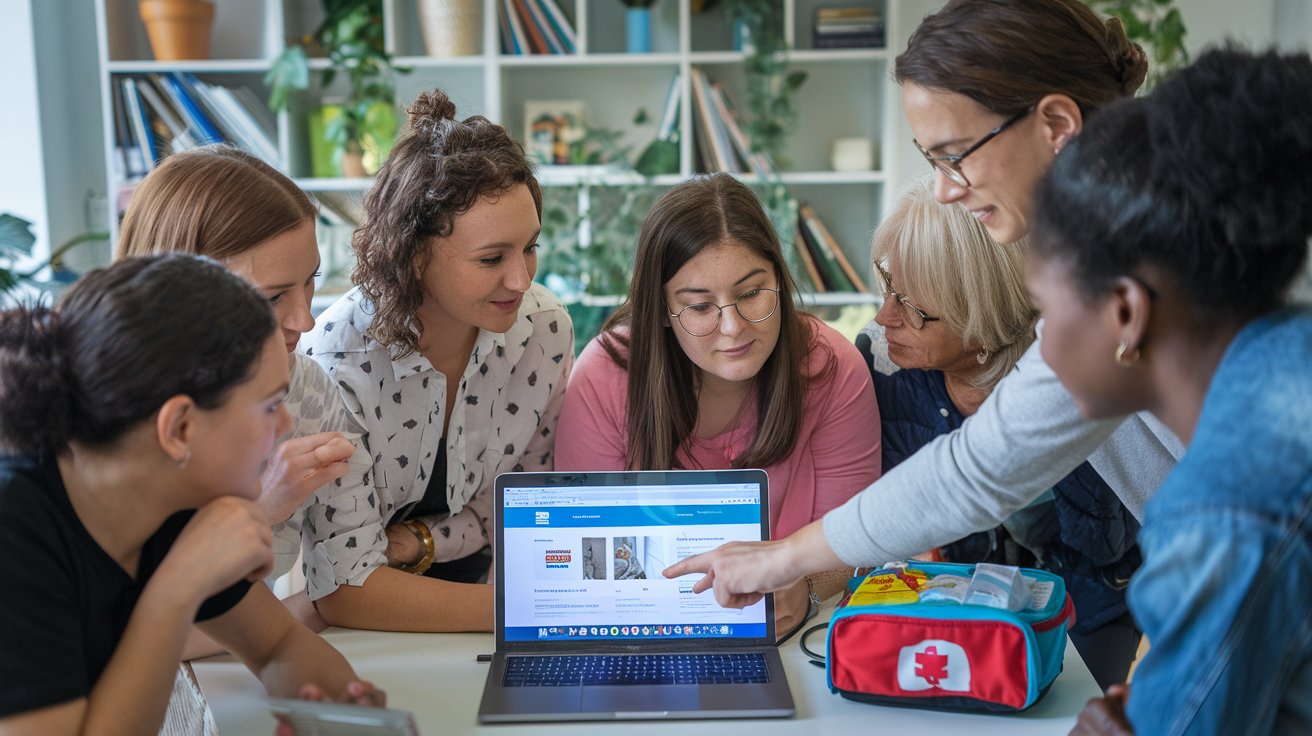
Multiple organizations offer first aid certification specifically designed for babysitters and childcare providers. The American Red Cross provides the most widely recognized program, available both in-person and through blended learning options that combine online coursework with hands-on practice sessions.
Local community centers, hospitals, and YMCA locations frequently host babysitting courses that include first aid components. Many programs offer weekend intensive sessions perfect for teenagers and young adults seeking quick certification. Costs typically range from $85-150, with some organizations offering group discounts for multiple participants.
American Red Cross Babysitting Training
The Red Cross offers comprehensive babysitting certification that includes first aid, CPR, and childcare fundamentals. Their program is designed for participants aged 11 and older, covering emergency response, basic childcare skills, and professional development. Certification remains valid for two years with refresher courses recommended annually.
Online Certification Options
Several platforms now offer free online babysitting courses with certificates, though hands-on practice remains crucial for emergency skills. Organizations like SafeSitter and the National Safety Council provide online components that can be completed at home, followed by practical skills demonstrations at local training centers.
Age Requirements and Course Prerequisites
Most babysitting courses accept participants starting at age 11, though some organizations set minimum ages at 12 or 13. The American Red Cross recommends their comprehensive program for ages 11-15, recognizing that younger participants may need additional support and practice to master emergency response techniques effectively.
Prerequisites typically include basic reading comprehension and the physical ability to perform CPR compressions. Some advanced courses may require previous babysitting experience or completion of a basic childcare fundamentals class. Background checks are not standard for certification but may be required by employing agencies or families.
Cost and Time Investment for Certification
Standard first aid and CPR certification for babysitters typically requires 6-8 hours of training, often completed over a weekend or through multiple evening sessions. Comprehensive babysitting programs that include first aid, CPR, and childcare skills may extend to 12-16 hours of instruction spread across several days.
Investment costs vary by location and provider, with basic first aid certification ranging from $50-100 and comprehensive babysitting programs costing $85-200. Many participants recover these costs within their first few babysitting jobs, as certified babysitters command premium rates and secure more consistent work opportunities.
Related video about do babysitters need first aid certification
This video complements the article information with a practical visual demonstration.
FAQ – Common Questions
Do babysitters legally need first aid certification in the US?
No federal law requires babysitters to have first aid certification, though some states and local jurisdictions may have specific requirements for professional childcare providers. Most private family arrangements do not legally mandate certification, but many parents strongly prefer certified babysitters for safety and peace of mind.
What qualifications should a babysitter have beyond first aid?
In addition to first aid certification, babysitters should have basic childcare knowledge, age-appropriate activity skills, emergency contact procedures, and excellent communication abilities. Many parents also value previous experience, references from other families, and completion of comprehensive babysitting safety courses.
Can you babysit without taking a babysitting course?
Yes, you can legally babysit without formal course completion in most areas. However, taking a babysitting course significantly improves your safety knowledge, emergency response skills, and marketability. Parents increasingly prefer babysitters who have completed safety training and certification programs.
How much more do certified babysitters earn compared to uncertified ones?
Certified babysitters typically earn 15-25% more than uncertified sitters, with rates ranging from $18-25 per hour in major cities compared to $12-18 for those without certification. The premium reflects parents’ willingness to pay more for enhanced safety training and emergency preparedness.
How old do you have to be to take a babysitting course?
Most babysitting courses accept participants starting at age 11, though some organizations require participants to be 12 or 13. The American Red Cross sets their minimum age at 11 for their comprehensive babysitting training program, recognizing this as an appropriate age to learn emergency response skills.
Are there free online babysitting courses with certificates available?
Yes, several organizations offer free online components of babysitting training, including basic safety information and childcare fundamentals. However, hands-on skills like CPR and first aid typically require in-person practice sessions to earn full certification, though some programs offer blended learning options.
| Certification Aspect | Details | Benefit |
|---|---|---|
| Legal Requirement | Not federally mandated for private babysitting | Flexibility in career entry |
| Earning Potential | 15-25% higher rates with certification | Increased income opportunities |
| Safety Skills | CPR, first aid, choking response | Life-saving capabilities |
| Course Duration | 6-16 hours depending on program | Quick professional development |
| Age Requirement | Minimum 11 years old for most programs | Early career preparation |