Finding and preparing for a new babysitter requires careful planning to ensure your child’s safety and comfort. With average babysitting rates in the United States reaching $18.36 per hour in 2026, proper preparation helps maximize value while creating a positive experience for everyone involved. This comprehensive guide covers essential steps from vetting candidates to establishing clear expectations.
Finding the Right Babysitter for Your Family
The foundation of successful childcare begins with finding a babysitter you can trust. Start your search through reputable platforms like Care.com, Sittercity.com, or local community groups. Request references from at least three previous families and verify employment history. Background checks have become standard practice, with 89% of parents in 2026 requiring them before hiring.
During initial interviews, observe how candidates interact with your children and ask specific scenario-based questions. Red flags for babysitters include reluctance to provide references, inability to handle emergency situations, or showing excessive interest in personal belongings rather than child care responsibilities.
Essential Questions to Ask Potential Babysitters
Ask candidates about their experience with children of similar ages, CPR certification status, and availability for your specific needs. In 2026, certified babysitters with First Aid training command 15-20% higher rates but provide additional peace of mind. Inquire about their approach to discipline, screen time policies, and comfort level with pets if applicable.
Verifying Credentials and References
Contact all provided references and ask specific questions about reliability, child engagement, and problem-solving abilities. Professional babysitters should provide documentation of any childcare training or certifications. Consider requesting a trial period with shorter sessions to evaluate compatibility before committing to longer arrangements.
Creating a Comprehensive Information Package
A detailed information list serves as your babysitter’s roadmap for successful childcare. Preparing comprehensive instructions reduces anxiety and ensures consistent care standards. Include contact information for parents, emergency services, neighbors, and your child’s pediatrician. Document specific routines, dietary restrictions, medication schedules, and behavioral management techniques that work best for your child.
Modern parents in 2026 increasingly use digital tools like shared Google documents or specialized apps to maintain updated information. This babysitter preparation strategy allows real-time updates and ensures critical information remains accessible even when you’re unreachable.
Emergency Contact Information Setup
Create a laminated emergency contact list prominently displayed near your main phone. Include primary and secondary parent contacts, local emergency services (911), poison control (1-800-222-1222), your child’s pediatrician, and trusted neighbors. Emergency preparedness also requires listing nearest hospital locations and any specific medical conditions or allergies your child has.
Daily Routine Documentation
Detail your child’s typical schedule including meal times, nap schedules, homework routines, and bedtime procedures. Consistent routines help children feel secure with new caregivers while providing clear expectations for babysitters. Include backup entertainment options and comfort strategies for difficult moments.
Establishing Clear Payment and Expectations
Transparent communication about babysitting payment rates and expectations prevents misunderstandings. The average hourly rate across major U.S. cities in 2026 ranges from $15-25 per hour, with premium rates for specialized care or multiple children. Discuss payment method preferences, whether you’ll provide meals, and policies regarding late returns or additional responsibilities.
Document house rules clearly, including technology use policies, visitor restrictions, and areas of your home that are off-limits. Setting boundaries from the beginning creates professional relationships built on mutual respect and clear communication.
Preparing Your Home Environment
Transform your home into a babysitter-friendly environment by removing potential hazards and organizing essential items accessibly. Secure cleaning supplies, medications, and sharp objects while ensuring first aid supplies, flashlights, and important phone numbers are easily located. Create a designated space where the babysitter can store personal belongings and feel comfortable during extended visits.
Stock age-appropriate entertainment options including books, games, craft supplies, and backup screen time activities. Preparing your home environment demonstrates professionalism while ensuring your babysitter has necessary resources for engaging, safe childcare.
Safety Proofing and Accessibility
Ensure smoke detector batteries are current, emergency exits are clear, and any security system codes are provided with clear instructions. Home safety preparation includes checking that outdoor play areas are secure and age-appropriate safety equipment is readily available.
Entertainment and Activity Setup
Organize entertainment options by age appropriateness and energy level requirements. Activity preparation includes both quiet indoor options for rest periods and more engaging activities for active times. Consider seasonal weather alternatives and backup plans for various scenarios.
Managing Separation Anxiety and First-Time Jitters
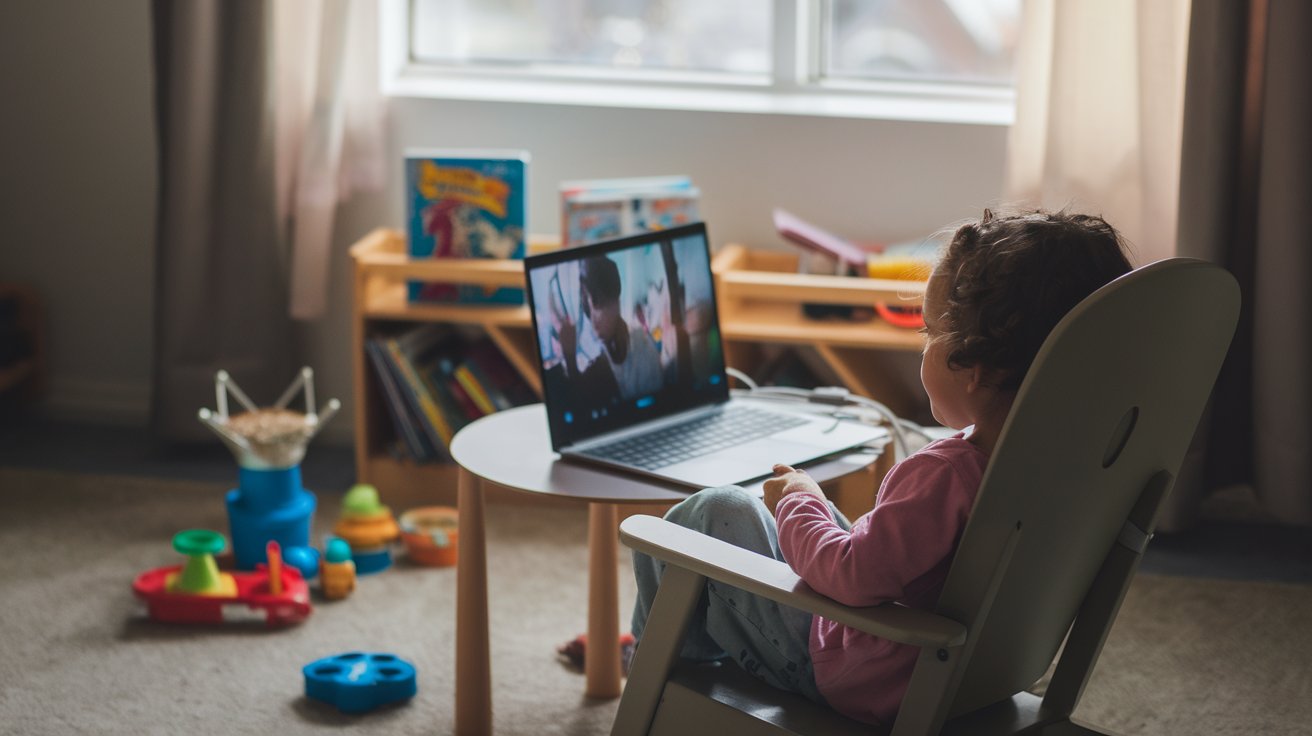
Both parents and children experience anxiety when working with a new babysitter for the first time. Start with shorter sessions while you’re nearby, allowing gradual adjustment periods. Many families in 2026 use video calling technology for brief check-ins, providing reassurance while respecting the babysitter’s autonomy.
Prepare your child by discussing the upcoming experience positively and involving them in age-appropriate preparation activities. Reducing first-time anxiety often involves creating familiar routines and ensuring comfort items are readily available throughout the babysitting session.
Technology Integration and Communication
Modern babysitting preparation increasingly relies on digital communication tools for seamless coordination. Consider using family management apps that allow real-time updates, photo sharing, and schedule coordination. Establish communication preferences including acceptable check-in times and emergency contact protocols.
Provide WiFi passwords, demonstrate any smart home features, and explain technology boundaries for both babysitter and child use. Technology integration in 2026 includes considerations for social media policies and digital device management throughout the care period.
Building Long-term Babysitting Relationships
Successful long-term babysitting relationships require ongoing communication, performance feedback, and mutual respect. Schedule regular check-ins to discuss what’s working well and areas for improvement. Consider providing small bonuses for exceptional care or handling challenging situations professionally.
Invest in your babysitter’s continued education by supporting CPR certification renewals or childcare training opportunities. Professional development support creates loyalty while ensuring your family receives increasingly skilled care as your relationship develops over time.
Related video about how to prepare for a new babysitter
This video complements the article information with a practical visual demonstration.
Most asked questions about how to prepare for a new babysitter
How should I prepare the new babysitter for their first visit?
Provide a comprehensive information package including emergency contacts, daily routines, house rules, and your child’s specific needs. Schedule a brief orientation session to walk through your home, discuss expectations, and answer questions. Leave prepared meals and backup entertainment options to ensure the babysitter feels confident and equipped for success.
What are the red flags for babysitters I should watch for?
Key red flags include reluctance to provide references, lack of CPR or first aid certification, inability to answer basic emergency scenario questions, excessive focus on payment rather than childcare, and poor communication skills. Also watch for candidates who seem uncomfortable around children or show unprofessional behavior during interviews.
What essential information should I leave for a first-time babysitter?
Create a detailed information sheet including emergency contacts, your child’s schedule and routines, meal preferences, bedtime procedures, house rules, WiFi passwords, and any medications or special needs. Include your expected return time, nearby hospital location, and trusted neighbor contacts for additional support if needed.
How can I help reduce awkwardness when babysitting starts?
Start with shorter sessions while you’re nearby to build comfort levels gradually. Introduce the babysitter during a relaxed time when your child is well-rested and fed. Prepare engaging activities and encourage the babysitter to begin with your child’s favorite games or routines to establish positive connections quickly.
What should I know before hiring a babysitter for the first time?
Understand current market rates (averaging $18.36/hour in 2026), verify references and background checks, confirm CPR certification, and establish clear expectations for communication and house rules. Consider starting with shorter trial periods and always trust your instincts about candidate suitability for your family’s specific needs.
How do I prepare my home environment for a new babysitter?
Secure potential hazards while making essential items easily accessible, including first aid supplies, emergency contacts, and entertainment options. Provide clear instructions for home security systems, WiFi access, and any special equipment. Create a comfortable space for the babysitter’s belongings and ensure backup supplies are readily available.
| Key Preparation Area | Essential Actions | Expected Outcome |
|---|---|---|
| Babysitter Selection | Background checks, reference verification, CPR certification | Qualified, trustworthy caregiver |
| Information Package | Emergency contacts, routines, house rules, special needs | Confident, well-informed babysitter |
| Home Environment | Safety proofing, organized supplies, entertainment options | Safe, engaging childcare space |
| Communication Setup | Clear expectations, check-in protocols, technology access | Smooth coordination and updates |
| Payment Agreement | Market rate discussion, payment method, additional responsibilities | Professional, transparent relationship |