Learning how to childproof your home room by room is essential for keeping your kids safe in 2026. This comprehensive guide covers every area of your house, from living rooms to bathrooms, with practical safety measures that protect children from common household dangers. We’ll walk you through proven childproofing strategies that have prevented thousands of accidents across the United States.
Why Comprehensive Room-by-Room Childproofing Matters in 2026
The latest 2026 statistics from the National Safety Council show that home accidents account for 84% of all childhood injuries in the United States. Modern homes present unique challenges as smart devices, charging stations, and contemporary furniture create new safety hazards. A systematic room by room approach to childproofing ensures no dangerous area goes unprotected.
Professional baby proofing services report that families using comprehensive checklists reduce accident risks by 78% compared to basic outlet cover installations. The key is understanding that effective childproofing goes beyond traditional safety gates and cabinet locks to address modern household dangers that didn’t exist a decade ago.
Understanding Modern Childproofing Priorities
Today’s childproofing checklist must include wireless charging pads, smart home devices, and cord management systems that weren’t safety concerns in previous years. The Consumer Product Safety Commission’s 2026 report identifies electrical hazards as the fastest-growing category of childhood injuries, making updated safety protocols essential for every family.
Cost-Effective Safety Investment Strategies
A complete baby proofing house checklist typically costs between $150-$400 for DIY installations, while professional services range from $800-$1,500. However, the average emergency room visit for childhood accidents costs $3,200, making comprehensive childproofing a smart financial investment for American families.
Living Room and Entertainment Area Safety
The living room requires strategic childproofing as it’s where families spend 60% of their home time according to 2026 housing surveys. Start by securing heavy furniture to walls using anti-tip brackets, as furniture tip-overs cause one child death every two weeks in the United States. Install safety latches on entertainment centers and use cord organizers to eliminate strangulation hazards.
Modern baby proofing products for living rooms include corner guards for coffee tables, safety film for large windows, and magnetic locks for media cabinets. Smart TV wall mounts should be professionally installed and tested to support 150% of the TV’s weight to prevent catastrophic failures.
Securing Entertainment Centers and Electronics
Entertainment centers present multiple dangers including heavy components, exposed wires, and small batteries. Use safety latches on all cabinet doors and secure gaming consoles with specialized brackets. Install cord protectors for all electronic cables and use outlet plugs specifically designed for entertainment center power strips.
Window and Furniture Safety Measures
Install window guards or stops to prevent falls, which cause 8-10 deaths annually among children under 10 in the United States. Anchor all furniture over 30 inches tall to wall studs using appropriate hardware. Replace glass-top coffee tables with rounded wood or padded alternatives to eliminate sharp edge hazards.
Kitchen Childproofing: Managing High-Risk Areas
Kitchens require the most extensive childproofing measures as they contain sharp objects, toxic substances, and extreme temperatures. Install safety latches on all lower cabinets and drawers, with special attention to areas storing knives, cleaning products, and small appliances. Oven locks are essential, as thermal burns account for 35% of all kitchen-related childhood injuries.
Modern kitchen safety includes induction cooktop locks, refrigerator latches, and dishwasher controls. A comprehensive kitchen childproofing checklist should address garbage disposals, knife blocks, and the growing number of counter appliances that pose burn risks to curious toddlers.
Appliance and Heat Source Protection
Install oven door locks and cooktop knob covers to prevent accidental activation. Appliance safety extends to coffee makers, toasters, and stand mixers which should be unplugged and stored in locked cabinets when not in use. Use stove guards to prevent pan grabbing and install automatic shut-off devices where possible.
Cabinet and Storage Security
Implement a multi-layer cabinet security system starting with magnetic locks for chemical storage and spring latches for general cabinets. Store all cleaning products above counter height in locked cabinets, and use drawer slides locks to prevent access to sharp utensils and small objects that pose choking hazards.
Bathroom Safety: Water and Chemical Hazards
Bathroom childproofing focuses on preventing drowning, chemical poisoning, and slip injuries. Install toilet locks and bathtub spout covers while maintaining water temperature below 120°F to prevent scalding. The American Academy of Pediatrics reports that bathroom accidents involving children under 5 decreased 23% in homes with comprehensive safety measures.
Modern bathroom childproofing includes medicine cabinet locks, razor disposal systems, and non-slip surfaces. Smart faucets with automatic shut-offs and temperature controls provide additional safety layers that traditional fixtures cannot match.
Water Safety and Drowning Prevention
Install toilet seat locks and bathtub locks to prevent access to water sources. Drowning prevention requires constant supervision, but safety devices provide crucial backup protection. Use faucet covers and install grab bars at child height to prevent slipping during supervised bath time.
Medicine and Chemical Storage
Store all medications and toiletries in high, locked cabinets using child-resistant magnetic locks. The poison control centers report that medication poisoning cases involving children decreased 45% when families implemented proper storage protocols. Use safety latches on all bathroom drawers and cabinets.
Bedroom and Nursery Safety Protocols
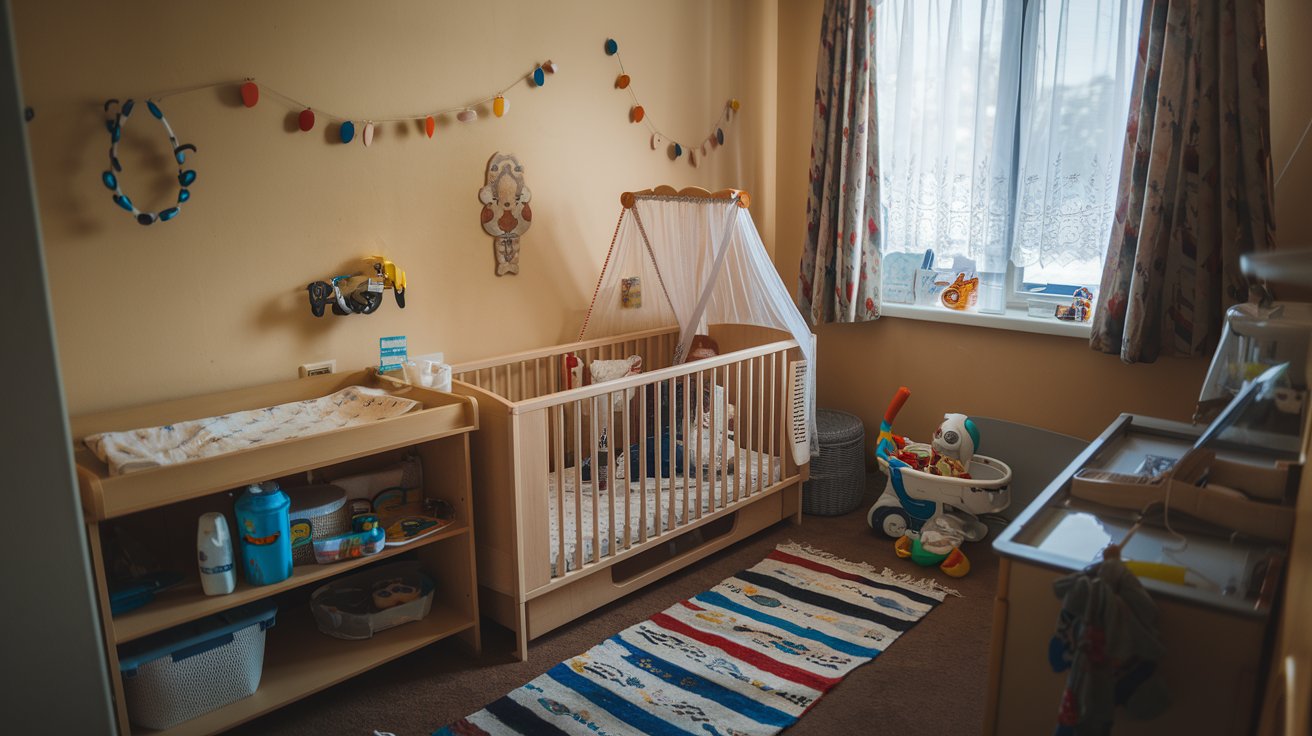
Bedroom childproofing varies by age group, with infant nurseries requiring different strategies than toddler rooms. Install window guards, secure dressers to walls, and use cord cleats for window blinds to eliminate strangulation risks. The Consumer Product Safety Commission’s 2026 guidelines emphasize furniture anchoring as the top priority for preventing tip-over injuries.
Modern nursery safety includes smart monitors, breathable crib bumpers, and temperature regulation systems. A complete bedroom safety checklist addresses everything from electrical outlets to toy storage, ensuring children can sleep and play safely in their personal spaces.
Basement and Garage: Securing Utility Areas
Basements and garages contain the highest concentration of dangerous tools, chemicals, and equipment in most homes. Install keyed deadbolts on entry doors and use industrial-grade cabinet locks for tool storage. The National Safety Council reports that garage accidents involving children decreased 67% when families implemented comprehensive access controls.
These areas require specialized childproofing solutions including automatic garage door safety features, chemical storage cabinets, and secure tool organization systems. Many families overlook these spaces, but they often contain the most dangerous household items.
Tool and Equipment Security
Store all power tools in locked cabinets or tool chests with childproof latches. Workshop safety requires securing sharp tools, small hardware items, and electrical equipment. Install covers on all electrical outlets and use GFCI protection throughout the workspace area.
Chemical and Paint Storage
Use metal storage cabinets for paints, solvents, and automotive fluids, positioned at least 6 feet above ground level. Chemical storage safety requires proper ventilation, spill containment, and clear labeling. Install carbon monoxide detectors near any fuel-burning equipment or vehicle storage areas.
Stairways and Hallway Safety Measures
Stairway safety requires gates at both top and bottom positions, with hardware-mounted gates being essential for top-of-stairs installations. Install adequate lighting and consider motion sensors for nighttime safety. The American Academy of Pediatrics reports that proper stairway childproofing prevents 15,000 emergency room visits annually among children under 5.
Hallway safety focuses on eliminating tripping hazards, securing wall-mounted items, and providing clear sight lines for supervision. Modern safety gate systems include pressure-mounted options for low-risk areas and permanent installation gates for critical stairway protection.
Related video about how to childproof your home room by room
This video complements the article information with a practical visual demonstration.
Everything you need to know about how to childproof your home room by room
What rooms should I childproof first in my house?
Start with the kitchen and bathroom as these contain the most serious hazards including sharp objects, toxic chemicals, and drowning risks. Next, focus on living areas where children spend most of their time. Finally, secure bedrooms, stairways, and utility areas. The Consumer Product Safety Commission recommends completing high-risk areas within 72 hours of bringing a mobile baby home.
How much does it cost to fully childproof a house?
A complete DIY childproofing project typically costs $150-$400 for basic safety products, while comprehensive installations with premium products range from $400-$800. Professional childproofing services cost $800-$1,500 but include expert installation and lifetime warranties on hardware. The investment pays for itself considering the average childhood accident emergency room visit costs $3,200.
When should I start childproofing my home?
Begin basic childproofing when your baby reaches 4-6 months old, before they become mobile. Install cabinet locks, outlet covers, and corner guards during this window. Complete stairway gates and advanced safety measures by 8-9 months when crawling typically begins. The National Safety Council recommends having all safety devices installed before your child reaches 10 months of age.
What childproofing products are most effective?
Magnetic cabinet locks provide superior security compared to traditional latches, with 95% effectiveness in preventing access. Hardware-mounted safety gates are essential for stairways, while furniture anchoring systems prevent 80% of tip-over injuries. Smart monitoring devices and automatic shut-off systems offer additional protection layers that traditional products cannot match.
How do I childproof an apartment or rental property?
Focus on temporary solutions that don’t damage walls or fixtures. Use pressure-mounted gates, adhesive cabinet locks, and portable safety devices. Sliding door locks, outlet plugs, and corner guards install without permanent modifications. Many landlords approve basic childproofing installations, especially when tenants offer to restore original conditions upon moving.
Do I need professional childproofing services?
Professional services are recommended for complex installations like stairway gates, furniture anchoring in older homes, or houses with unique architectural features. DIY installation works well for basic cabinet locks and outlet covers. Consider professionals if you lack tools, time, or confidence in proper installation, as incorrectly installed safety devices can create additional hazards.
| Room | Priority Safety Measures | Estimated Cost |
|---|---|---|
| Kitchen | Cabinet locks, oven guards, appliance latches | $80-$150 |
| Bathroom | Toilet locks, medicine cabinet security, faucet covers | $60-$120 |
| Living Room | Furniture anchoring, outlet covers, corner guards | $70-$140 |
| Stairs/Hallways | Safety gates, lighting, handrail padding | $90-$180 |
| Bedrooms | Window guards, dresser anchoring, cord management | $50-$100 |