When facing childcare emergency situations, knowing exactly what to do can mean the difference between safety and tragedy. This comprehensive guide provides essential protocols, emergency contact procedures, and immediate response actions that every caregiver must understand to protect children during critical situations.
Immediate Emergency Response Procedures
The first moments during any childcare emergency are crucial for ensuring child safety. Caregivers must remain calm, assess the situation quickly, and implement appropriate emergency protocols. The 3 C’s of emergency response – Check, Call, and Care – form the foundation of effective emergency management in childcare settings.
During an emergency situation, staff should immediately secure all children in a safe location while conducting a headcount to ensure no child is missing. Quick decision-making based on established emergency preparedness protocols can prevent injuries and save lives during critical incidents.
The 5 P’s of Emergency Preparedness
The 5 P’s of emergency preparedness include People, Paper, Prescriptions, Personal needs, and Priceless items. In childcare settings, this translates to knowing all children’s locations, having emergency documentation ready, ensuring medical supplies are accessible, meeting basic comfort needs, and protecting irreplaceable items like emergency contact lists and medical records.
Three Essential Emergency Actions
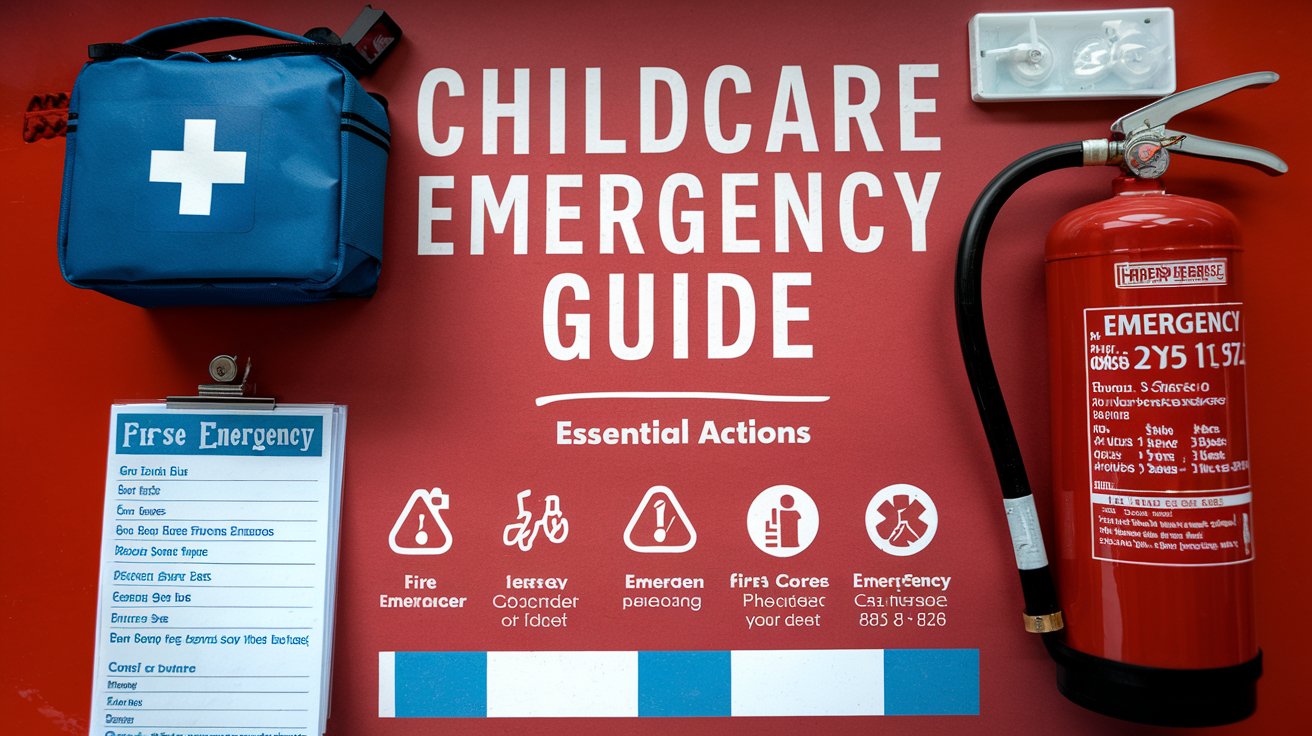
The 3 C’s of an emergency situation guide immediate response: Check for hazards and assess the scene, Call emergency services when necessary, and Care for injured individuals while protecting others. These actions should be memorized by all childcare staff and practiced regularly through emergency drills.
Emergency Contacts and Communication
Maintaining up-to-date emergency contact information is legally required and essential for child safety. According to 2026 CCEYA regulations, childcare facilities must include parents’ primary and secondary numbers, emergency contacts, family physician information, local emergency services, poison control center, and relevant medical specialists on their emergency telephone list.
Emergency contact lists should be easily accessible to all staff members and regularly updated every six months. Digital and physical copies must be maintained, with backup systems in place to ensure emergency contacts remain accessible during power outages or technology failures.
Required Emergency Telephone Numbers
Essential emergency telephone numbers include 911 for immediate emergencies, local police and fire departments, poison control (1-800-222-1222), children’s hospital emergency department, family physicians for each child, and utility companies for gas and electrical emergencies. These numbers must be prominently displayed and easily accessible to all staff.
Parent Notification Procedures
Parent notification during childcare emergencies must follow specific protocols, beginning with immediate contact for serious incidents, followed by written documentation within 24 hours. Staff should provide clear, factual information about the emergency, actions taken, and current child status while maintaining calm, professional communication throughout the process.
Medical Emergency Response
Medical emergencies in childcare require immediate, trained responses to protect children’s health and safety. Staff must be prepared to handle various medical emergency situations including allergic reactions, injuries, seizures, and breathing difficulties. All childcare facilities should have at least one staff member trained in pediatric first aid and CPR on-site at all times.
Emergency medical response begins with scene safety assessment, followed by primary survey of the injured child, appropriate first aid administration, and emergency services contact when necessary. Documentation of all medical emergencies must be completed immediately following the incident for legal and safety purposes.
Anaphylactic Emergency Protocol
Anaphylactic emergencies require immediate epinephrine administration followed by emergency services contact. Staff must recognize symptoms including difficulty breathing, swelling, hives, and confusion. Emergency action plans for children with known allergies should be posted prominently and reviewed regularly with all caregivers.
Exceptional Health Care Needs
Children with exceptional health care needs require individualized emergency response plans developed in consultation with families and healthcare providers. These plans must address specific medical conditions, required medications, emergency interventions, and specialized contact information for managing health-related emergencies effectively.
Evacuation Procedures and Safety
Effective evacuation procedures ensure rapid, organized child removal from dangerous situations. All childcare facilities must maintain detailed evacuation plans for fire, natural disasters, and security threats. Staff should conduct monthly evacuation drills to ensure children and caregivers can exit safely within recommended timeframes.
Primary and secondary evacuation routes must be clearly marked and regularly inspected for obstacles. Emergency evacuation supplies including first aid kits, emergency contact lists, and comfort items should be readily accessible at designated evacuation meeting points outside the facility.
Fire Emergency Evacuation
Fire evacuation procedures require immediate alarm activation, calm child guidance to nearest safe exit, complete building evacuation within 2 minutes, and attendance verification at designated meeting areas. Staff must never use elevators during fire emergencies and should assist children with mobility needs through predetermined buddy systems.
Natural Disaster Response
Natural disaster emergency responses vary by hazard type but generally require immediate protective actions such as shelter-in-place procedures for severe weather or rapid evacuation for earthquakes. Staff must monitor weather alerts and implement appropriate safety measures based on local emergency management recommendations.
Shelter-in-Place Procedures
Shelter-in-place procedures protect children during external threats including severe weather, chemical hazards, or security incidents. These procedures involve securing all entry points, moving children to predetermined safe areas within the building, maintaining quiet environments, and monitoring emergency communications for further instructions.
Effective shelter-in-place protocols require advance preparation including designated safe rooms, emergency supply storage, communication equipment, and staff training on lockdown procedures. Regular shelter-in-place drills help children understand expectations while reducing anxiety during actual emergencies.
Staff and Family Responsibilities
Clear staff responsibilities during emergencies include immediate child safety prioritization, emergency protocol implementation, accurate documentation, and effective family communication. Each staff member should understand their specific role during different emergency scenarios to ensure coordinated, efficient responses.
Family responsibilities include providing accurate emergency contact information, updating medical information regularly, discussing emergency procedures with children at home, and following facility communication protocols during emergency situations. Collaborative preparation between staff and families creates comprehensive safety networks for children.
Staff Training Requirements
All childcare staff must complete annual emergency preparedness training including first aid certification, CPR training, emergency communication protocols, and facility-specific procedure review. Training documentation must be maintained for regulatory compliance and updated annually to reflect current best practices.
Family Communication Protocols
Effective family communication during emergencies involves multiple contact methods including phone calls, text messages, and facility communication systems. Families should understand pickup procedures during emergencies and alternative contact methods when primary communication channels are unavailable.
Emergency Preparedness Planning
Comprehensive emergency preparedness planning involves risk assessment, protocol development, staff training, supply management, and regular plan updates. Childcare facilities should review and update emergency plans annually or following significant incidents to ensure continued effectiveness and regulatory compliance.
Emergency preparedness plans must address multiple scenario types including medical emergencies, natural disasters, fire safety, security threats, and utility failures. Regular plan testing through drills and exercises helps identify improvement opportunities while building staff confidence in emergency response capabilities.
Essential Emergency Supplies
Emergency supply kits should include first aid materials, emergency contact lists, flashlights, battery-powered radio, emergency food and water, comfort items for children, and backup communication devices. Supplies must be regularly inspected and replaced according to expiration dates to ensure effectiveness during emergencies.
Documentation and Reporting
Proper emergency documentation includes incident reports, injury forms, parent notifications, and regulatory reporting when required. All documentation should be completed immediately following incidents while details remain accurate and fresh in staff memory for legal protection and improvement planning.
Related video about what to do in a childcare emergency
This video complements the article information with a practical visual demonstration.
FAQ – Common Questions
What should children do during an emergency?
Children should listen to their caregiver’s instructions, stay calm, follow established emergency procedures like evacuation routes or shelter-in-place protocols, and remain with their assigned adult throughout the emergency. Regular practice through drills helps children respond appropriately during actual emergencies.
What are 5 examples of emergency situations in childcare?
Common childcare emergencies include medical incidents like allergic reactions or injuries, fire emergencies requiring immediate evacuation, severe weather necessitating shelter-in-place procedures, security threats requiring lockdown protocols, and utility failures affecting facility safety systems.
How often should emergency drills be conducted?
Childcare facilities should conduct fire drills monthly, severe weather drills seasonally, and security drills quarterly according to 2026 safety regulations. Regular practice ensures staff and children can respond quickly and safely during actual emergency situations.
What information must be included on emergency contact lists?
Emergency contact lists must include parents’ primary and backup numbers, designated emergency contacts, family physician information, local emergency services numbers, children’s medical conditions and allergies, and any special care instructions required for individual children.
Who is responsible for calling emergency services?
The senior staff member or designated emergency coordinator should call 911 or emergency services while other staff members focus on child safety and care. Clear role assignments prevent confusion and ensure appropriate emergency response coordination.
How should staff prepare for non-emergency situations?
Staff should maintain updated emergency contact information, regularly review emergency procedures, keep first aid supplies stocked and current, practice communication protocols, and ensure all children’s medical information and emergency plans are easily accessible and up-to-date.
| Emergency Type | Key Response Action | Safety Benefit |
|---|---|---|
| Medical Emergency | Immediate first aid and emergency contact | Prevents serious injury complications |
| Fire Emergency | Rapid evacuation via designated routes | Ensures safe building exit within 2 minutes |
| Severe Weather | Shelter-in-place in safe interior areas | Protects from external weather hazards |
| Security Threat | Immediate lockdown and law enforcement contact | Prevents unauthorized facility access |