Finding age appropriate activities for toddlers at home can be challenging for busy parents. With 73% of American families now spending more time at home in 2026, having a variety of engaging indoor activities has become essential. These carefully selected activities support your toddler’s development while keeping them entertained and learning through play.
Understanding Age Appropriate Development for Toddlers
Toddlers aged 1-3 years experience rapid brain development, with 90% of neural connections forming during this critical period. Educational activities for toddlers should match their developmental milestones, including improved motor skills, language acquisition, and social awareness. Research from the American Academy of Pediatrics shows that structured play activities enhance cognitive development by 45% compared to passive entertainment.
The key to successful learning activities for toddlers 1-2 years lies in understanding their attention spans, which typically range from 2-5 minutes per year of age. This means 18-month-old toddlers can focus for approximately 3-4 minutes on a single activity. Activities should be simple, repetitive, and allow for exploration without frustration.
Motor Skill Development Activities
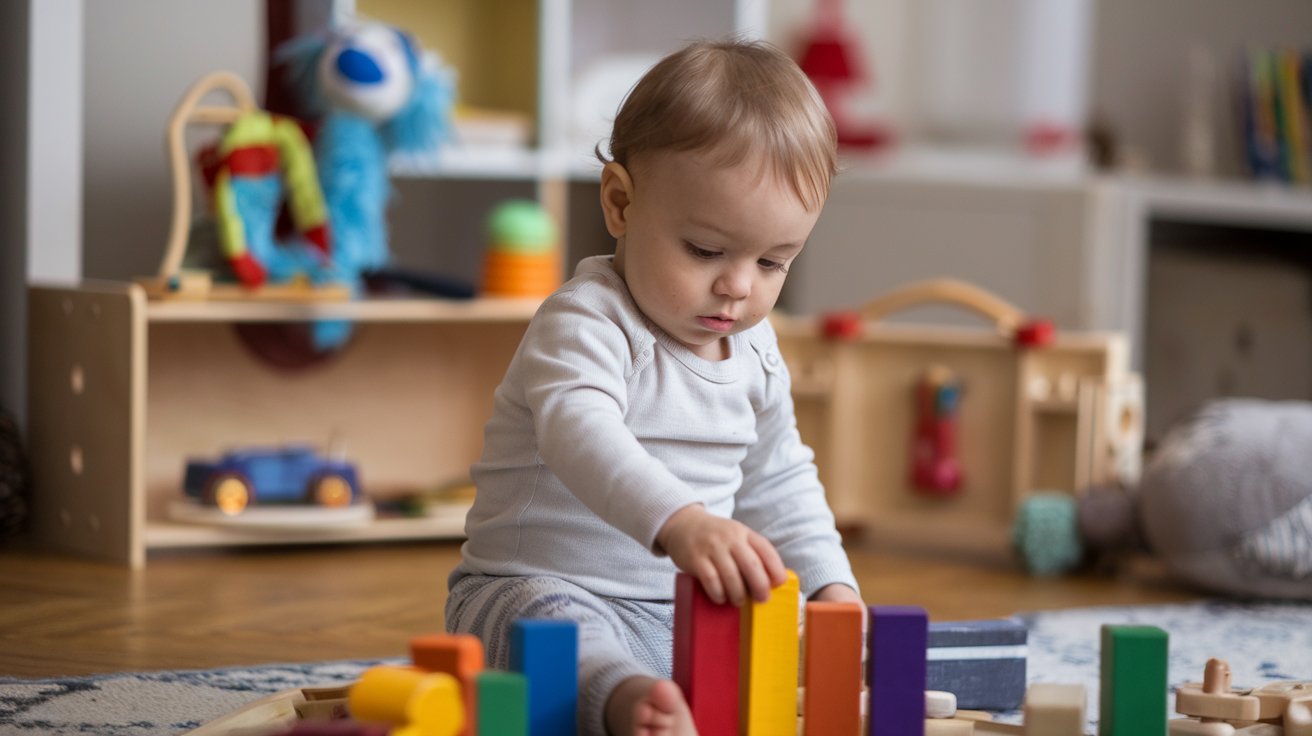
Fine motor skills develop through activities like stacking blocks, playing with large puzzles, and simple art projects. Indoor activities for toddlers under 2 should focus on grasping, pinching, and hand-eye coordination. Popular activities include sorting large buttons into containers, playing with textured balls, and finger painting with washable, non-toxic paints.
Language and Cognitive Development
Reading interactive books, singing nursery rhymes, and simple conversation games promote language development. Educational activities for 1 year olds should include repetitive sounds, picture identification, and naming familiar objects. These activities build vocabulary and comprehension skills essential for future learning success.
Essential Safety Guidelines for Home Activities
Safety remains the top priority when planning age appropriate activities for toddlers at home. The Consumer Product Safety Commission reports that 67% of toddler injuries occur during unsupervised play activities. All materials should be larger than 1.25 inches in diameter to prevent choking hazards, and activities must be constantly supervised.
Create a designated play area free from sharp corners, small objects, and electrical hazards. Free educational activities for 2 year olds at home can be just as safe and effective as expensive toys when proper precautions are taken. Always check materials for wear and tear before each use.
The 3-3-3 Rule for Toddler Activities
The 3-3-3 rule provides structure for daily toddler activities: 3 physical activities, 3 quiet activities, and 3 creative activities throughout the day. This approach ensures balanced development while preventing overstimulation. Educational activities for 2 year olds at home work best when rotated every 15-20 minutes to maintain engagement and interest.
Physical activities might include dancing to music, crawling through cardboard tunnels, or playing with soft balls. Quiet activities encompass reading, puzzles, or sensory bins. Creative activities involve art projects, building with blocks, or imaginative play scenarios that encourage learning activities for toddlers 1-2 years.
Sensory Play Activities for Toddler Development
Sensory play activities stimulate multiple senses simultaneously, promoting neural pathway development crucial for learning. Free age appropriate activities for toddlers at home include water play in the bathtub, playing with rice or pasta in containers, and exploring different textures through fabric books or nature baskets.
Create sensory bins using everyday household items like dried beans, cotton balls, or sand. These activities develop tactile awareness while providing calming, focused play opportunities. Research indicates that children who engage in regular sensory play show 35% better emotional regulation skills.
Water Play Activities
Water play offers endless possibilities for indoor activities for toddlers under 2. Fill containers with different amounts of water, provide cups for pouring, and add floating toys. Always supervise water activities closely and use only shallow containers to prevent drowning risks.
Texture Exploration Games
Introduce various textures through safe household items like smooth stones, soft fabrics, or corrugated cardboard. These educational activities for toddlers enhance sensory processing skills while encouraging curiosity and exploration. Rotate textures weekly to maintain novelty and interest.
Art and Creative Expression Activities
Creative activities foster self-expression and fine motor development in toddlers. Educational activities for 1 year olds should focus on process rather than product, allowing children to explore materials freely. Finger painting, large crayon coloring, and play dough manipulation provide excellent creative outlets while developing hand strength and coordination.
Set up art stations with washable supplies and protect surfaces with plastic tablecloths. Encourage exploration without judgment, focusing on the joy of creation rather than the final result. Studies show that children engaged in regular creative activities demonstrate 40% higher problem-solving abilities by age 4.
Music and Movement Activities
Music and movement activities support gross motor development, rhythm awareness, and emotional expression. Free educational activities for 2 year olds at home include dancing to favorite songs, playing with musical instruments like shakers or drums, and participating in action songs that combine movement with music.
Create a movement routine that includes marching, jumping, spinning, and stretching. These activities burn energy while developing coordination and body awareness. The American Music Therapy Association reports that toddlers who participate in regular music activities show improved language development and social skills.
Simple Dance Activities
Dancing provides excellent exercise while developing rhythm and coordination. Play various music styles and encourage free movement, or teach simple dance moves like clapping, stomping, or swaying. These learning activities for toddlers 1-2 years can be adapted for different energy levels throughout the day.
Homemade Musical Instruments
Create simple instruments using household items like rice-filled containers for shakers, pots and wooden spoons for drums, or rubber bands stretched over boxes for guitars. These activities combine creativity with music exploration while teaching cause and effect relationships.
Reading and Language Development Activities
Reading activities form the foundation of language development and future academic success. Age appropriate activities for toddlers at home should include interactive reading sessions with picture books, storytelling with props, and vocabulary-building games using everyday objects around the house.
Choose books with simple, repetitive text and bright, engaging illustrations. Encourage participation by asking questions about pictures and allowing toddlers to turn pages. The National Reading Panel found that children who engage in daily reading activities show 50% faster vocabulary growth compared to those with limited reading exposure.
Building and Construction Activities
Building activities develop spatial awareness, problem-solving skills, and hand-eye coordination. Educational activities for 2 year olds at home include stacking blocks, building with large Legos, and creating structures with cardboard boxes and containers. These activities encourage creativity while teaching basic engineering concepts.
Provide various building materials like wooden blocks, soft foam pieces, and empty cereal boxes. Allow toddlers to experiment with balance, height, and stability without pressure to create specific structures. Research indicates that children who regularly engage in building activities show 30% better spatial reasoning skills in later academic years.
Nature-Based Learning Activities
Nature activities can be adapted for indoor use, bringing outdoor learning experiences inside. Free age appropriate activities for toddlers at home include nature scavenger hunts using collected items, growing plants in small containers, and exploring natural materials like leaves, shells, or smooth stones.
Create nature baskets filled with safe natural items for exploration and sorting. These activities connect toddlers with the natural world while developing observation skills and scientific thinking. The Children & Nature Network reports that nature-based activities improve attention spans by 25% in young children.
Related video about age appropriate activities for toddlers at home
This video complements the article information with a practical visual demonstration.
FAQ – Common Questions
What is the 3-3-3 rule for toddlers?
The 3-3-3 rule involves providing toddlers with 3 physical activities, 3 quiet activities, and 3 creative activities throughout the day. This structured approach ensures balanced development across motor skills, cognitive abilities, and creative expression while preventing overstimulation and maintaining engagement.
What are 5 age-appropriate activities for toddlers?
Five excellent age-appropriate activities include: sensory bins with safe materials, finger painting with washable paints, stacking and building with large blocks, dancing to music, and interactive reading with picture books. These activities support motor development, creativity, and language skills while ensuring safety.
What is the 777 rule for toddlers?
The 777 rule suggests 7 hours of sleep during the day, 7 different activities, and 7 minutes of focused attention per activity for optimal toddler development. This guideline helps parents structure their day while respecting toddlers’ natural attention spans and energy cycles.
What is the 10 10 10 rule for toddlers?
The 10 10 10 rule recommends 10 minutes of outdoor time, 10 minutes of quiet activity, and 10 minutes of active play repeated throughout the day. This creates balanced schedules that support physical health, emotional regulation, and cognitive development while maintaining manageable time segments.
How long should toddler activities last at home?
Toddler activities should last 2-5 minutes per year of age, meaning 12-month-olds focus for 2-3 minutes while 24-month-olds can engage for 4-6 minutes. Rotating activities frequently maintains interest and prevents frustration while supporting natural attention span development.
What materials are safest for toddler activities at home?
Safest materials include items larger than 1.25 inches in diameter, washable non-toxic art supplies, soft fabrics, large wooden blocks, and household items like empty containers. Always supervise activities and regularly inspect materials for wear, sharp edges, or potential choking hazards.
| Activity Type | Age Range | Development Benefit |
|---|---|---|
| Sensory Play | 12-36 months | Neural pathway development |
| Art Activities | 18-36 months | Fine motor skills and creativity |
| Music and Movement | 12-36 months | Gross motor and rhythm skills |
| Reading Activities | 12-36 months | Language and cognitive development |
| Building Play | 18-36 months | Spatial awareness and problem-solving |