Recognizing when your child is sick can be challenging, especially for new parents. Children often can’t communicate their symptoms clearly, making it essential to watch for specific warning signs and behavioral changes. Understanding these indicators helps you provide proper care and determine when medical attention is necessary for your child’s health and recovery.
Primary Physical Signs Your Child May Be Sick
The most obvious indicators that your child is getting sick often appear as physical symptoms. Fever remains the most common sign, typically indicating your child’s immune system is fighting an infection. According to 2026 pediatric guidelines, a temperature above 100.4°F (38°C) in children warrants close monitoring and possible medical consultation.
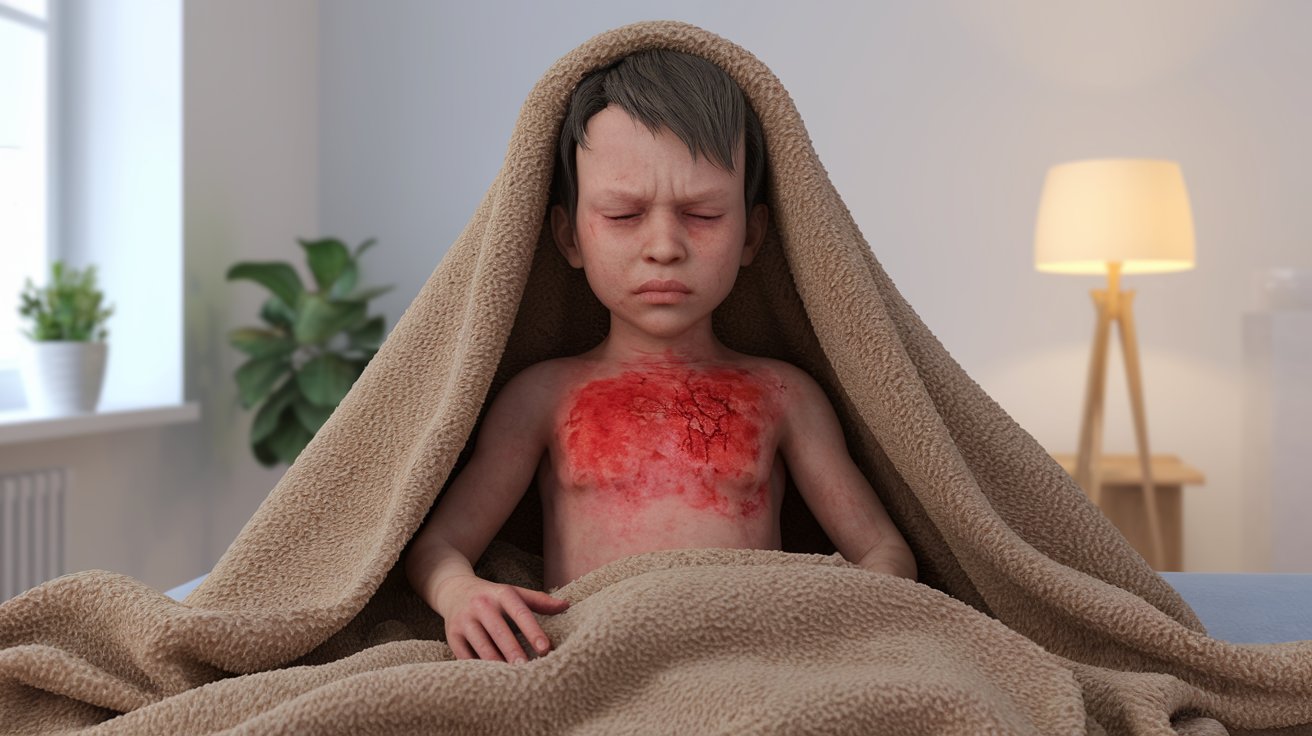
Other critical physical signs include persistent cough, runny nose with colored discharge, difficulty breathing, or unusual rashes. Changes in appetite where your child refuses food or drinks significantly less than normal can signal illness. Vomiting, diarrhea, or complaints of stomach pain that persist for more than a few hours also indicate your child may need medical attention depending on severity and duration.
Temperature and Fever Indicators
Monitoring your child’s temperature accurately helps determine illness severity. Digital thermometers provide the most reliable readings, with rectal temperatures being most accurate for infants under 3 months. For children over 6 months, a fever between 100.4°F and 102°F typically indicates mild illness, while temperatures above 103°F require immediate medical attention according to current US pediatric standards.
Respiratory and Digestive Symptoms
Respiratory symptoms like persistent coughing, wheezing, or difficulty breathing often signal infections or allergies. Watch for changes in breathing patterns, especially rapid or labored breathing. Digestive symptoms including vomiting more than twice in 24 hours, diarrhea lasting over 48 hours, or severe abdominal pain indicate your child is actually sick and may require medical evaluation.
5 Changes in the Behavior of a Sick Child
Behavioral changes often provide the earliest clues that your child is getting sick before physical symptoms appear. The first change involves energy levels – sick children typically become unusually lethargic, sleeping more than normal, or showing decreased interest in favorite activities and toys they usually enjoy.
The second behavioral change involves mood alterations. Your normally happy child may become irritable, clingy, or cry more frequently without apparent reason. This emotional shift often precedes other symptoms by 12-24 hours. Third, eating and drinking patterns change significantly – sick children often refuse meals, drink less water, or show aversion to foods they typically enjoy.
Fourth, sleep patterns become disrupted. Your child might sleep excessively during the day but experience restlessness at night, or wake frequently due to discomfort. Finally, communication changes occur where verbal children may complain of vague discomfort, while non-verbal children might point to body parts or exhibit unusual gestures indicating they don’t feel well.
The 3-3-3 Rule for Kids Health Assessment
The 3-3-3 rule for kids provides a practical framework for assessing childhood illness severity. This rule helps parents determine when symptoms require immediate medical attention versus home care. The first ‘3’ refers to temperature – seek immediate care if fever exceeds 103°F, persists for 3 days, or occurs in babies under 3 months old.
The second ‘3’ addresses duration – contact healthcare providers if symptoms like vomiting, diarrhea, or severe pain persist for more than 3 days without improvement. The third ‘3’ involves behavioral changes – if your child shows 3 or more concerning behaviors simultaneously (lethargy, refusing fluids, difficulty breathing), seek medical help promptly. This systematic approach helps parents make informed decisions about their child’s care needs.
When Your Child Needs Immediate Medical Attention
Certain symptoms require emergency medical care regardless of your child’s age. Difficulty breathing, blue lips or face, severe dehydration signs, or altered consciousness demand immediate hospital attention. In 2026, US emergency departments report that early recognition of these critical signs significantly improves treatment outcomes for children.
Additional emergency situations include high fever with stiff neck, severe abdominal pain, signs of severe dehydration like sunken eyes or no tears when crying, or any head injury with vomiting or confusion. Trust your parental instincts – if something feels seriously wrong with your child’s condition, don’t hesitate to seek immediate medical attention even if symptoms seem minor.
Critical Warning Signs by Age Group
Infants under 3 months require immediate medical evaluation for any fever above 100.4°F, excessive crying, feeding difficulties, or unusual lethargy. Toddlers aged 1-3 years need urgent care for persistent vomiting, signs of dehydration, or difficulty breathing. School-age children warrant emergency attention for severe headaches with fever, chest pain, or inability to keep fluids down for more than 24 hours.
Emergency vs Non-Emergency Symptoms
Emergency symptoms include difficulty breathing, blue coloration, severe dehydration, altered mental status, or high fever with stiff neck. Non-emergency symptoms typically involve mild fever, runny nose, slight cough, or minor cuts and bruises. When in doubt, contact your pediatrician’s after-hours line for guidance on whether your child needs immediate emergency care or can wait for regular office hours.
How to Comfort a Sick Child at Home
Creating a comfortable environment helps your sick child recover more quickly. Ensure adequate rest by maintaining a quiet, dimly lit room with comfortable temperature. Offer frequent small amounts of fluids like water, clear broths, or electrolyte solutions to prevent dehydration. For children over 1 year, honey can soothe throat irritation, but never give honey to infants under 12 months.
Emotional comfort proves equally important as physical care. Sick children often want extra attention and cuddles from parents. Reading stories, playing quiet games, or watching favorite shows together provides distraction from discomfort. Maintain normal routines when possible while allowing flexibility for extra rest. Keep comfort items like favorite stuffed animals or blankets nearby to provide security during illness.
How to Tell if Your Kid is Faking Sick
Distinguishing between genuine illness and malingering requires careful observation of multiple factors. Children who are truly sick typically show consistent symptoms throughout the day, while those faking illness may exhibit symptoms only when seeking attention or avoiding responsibilities. Real illness usually involves multiple symptoms occurring together, whereas fabricated illness often focuses on single, convenient symptoms.
Look for consistency in symptoms and behaviors. Genuinely sick children maintain similar energy levels and symptoms whether they think you’re watching or not. Faking children might suddenly feel better when offered enjoyable activities but worsen when discussing school or chores. However, remember that some children may exaggerate mild symptoms when they feel stressed or need extra attention, which requires understanding rather than punishment.
School Notification and Sick Leave Protocols
When your child falls ill, proper communication with schools ensures both educational continuity and community health protection. Most US schools require notification within 2-4 hours of the school day beginning when your child is not feeling well. Contact the school’s attendance office directly rather than relying solely on automated systems for important health information.
Common notification scenarios include: ‘My son was sick with stomach flu and will be absent today’ or ‘My daughter is not feeling well with fever and needs to stay home.’ Schools typically require children to be fever-free for 24 hours before returning to prevent spreading illness to classmates and staff members.
Sample School Communication Messages
Effective school communication includes specific details: ‘My daughter was sick overnight with vomiting and fever. She will be absent today and we will monitor her condition.’ For text messages: ‘My son is not feeling well leave message – has fever of 101°F, will update tomorrow.’ Always include your child’s full name, grade, teacher, and expected return date when known.
Return-to-School Guidelines
Children should remain home until fever-free for 24 hours without fever-reducing medication, vomiting and diarrhea have stopped for 24 hours, or antibiotics have been taken for at least 24 hours for bacterial infections. Some conditions like pink eye or strep throat require specific clearance periods. Always follow your school district’s specific illness policies for return requirements.
Dealing with Children’s Minor Accidents and Injuries
Minor accidents occur frequently in childhood and usually don’t indicate underlying illness, but proper assessment helps distinguish between simple injuries and more serious conditions. Common minor injuries include small cuts, bruises, bumps, or scrapes that can be treated at home with basic first aid supplies and monitoring.
Clean minor cuts with soap and water, apply antibiotic ointment, and cover with bandages. For bruises, apply ice wrapped in a cloth for 10-15 minutes to reduce swelling. Monitor for signs of infection like increased redness, warmth, swelling, or pus. Seek medical help if wounds are deep, bleeding doesn’t stop after 10 minutes of direct pressure, or if you suspect fractures or head injuries.
Building Your Child Health Monitoring System
Establishing consistent health monitoring helps you quickly identify when your child is getting sick. Keep a simple health journal noting normal patterns for eating, sleeping, and behavior. This baseline helps you recognize significant changes more quickly. Modern smartphone apps can help track symptoms, medications, and temperature readings for easier communication with healthcare providers.
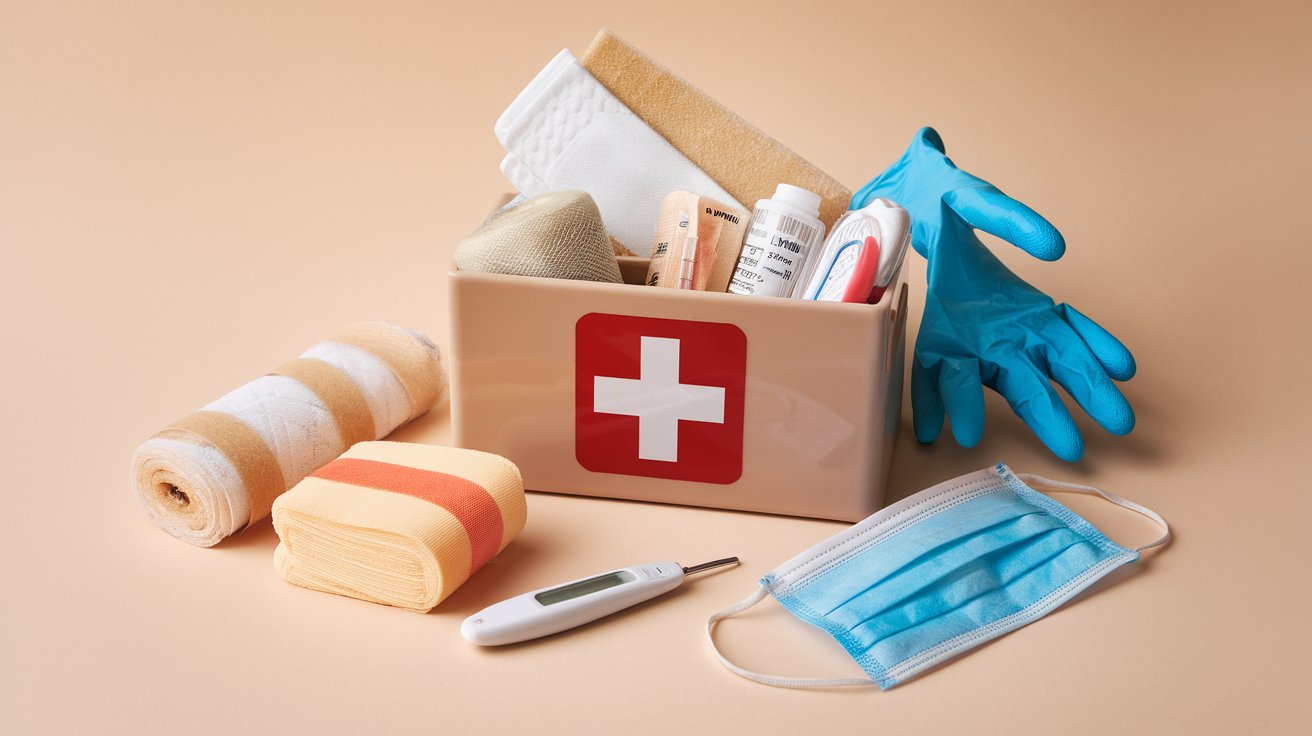
Create a home health kit including a reliable thermometer, children’s pain reliever appropriate for your child’s age, bandages, antibiotic ointment, and oral rehydration solution. Keep your pediatrician’s contact information easily accessible, including after-hours numbers and local urgent care facilities. Having these resources ready reduces stress during illness and ensures prompt, appropriate responses to health concerns.
Related video about how to tell if your child is sick
This video complements the article information with a practical visual demonstration.
FAQ – Common Questions
What is the 3-3-3 rule for kids?
The 3-3-3 rule helps parents assess illness severity: seek immediate care for fever above 103°F, in babies under 3 months, or persisting 3+ days; contact doctors for symptoms lasting over 3 days; get emergency help if 3+ concerning behaviors occur simultaneously like lethargy, refusing fluids, and breathing difficulties.
How to tell if your child is actually sick?
Look for consistent symptoms including fever above 100.4°F, decreased appetite, behavioral changes like increased clinginess or lethargy, physical symptoms like persistent cough or vomiting, and disrupted sleep patterns. Genuinely sick children maintain similar symptoms whether observed or not, unlike children who might be faking illness.
What are 5 signs that the child may need medical attention?
Five critical signs requiring medical attention include: high fever above 103°F or any fever in infants under 3 months, difficulty breathing or blue lips, severe dehydration signs like no tears when crying, persistent vomiting for over 24 hours, and altered consciousness or extreme lethargy that doesn’t improve with rest.
How do you comfort a sick child at home?
Provide extra rest in a quiet, comfortable environment, offer frequent small amounts of fluids to prevent dehydration, give appropriate pain relief medication as directed, maintain emotional comfort through extra attention and favorite activities, and keep comfort items like stuffed animals nearby for security during illness.
When should I keep my child home from school?
Keep children home with fever above 100°F, active vomiting or diarrhea, contagious conditions like pink eye or strep throat, severe cold symptoms that interfere with learning, or any condition where the child feels too unwell to participate normally. Children should be fever-free for 24 hours before returning to school.
How can I tell if my child is faking being sick?
Genuinely sick children show consistent symptoms throughout the day regardless of activities offered, display multiple related symptoms, and maintain similar behavior whether observed or not. Children faking illness often exhibit symptoms only when seeking attention, feel suddenly better for fun activities, or focus on single convenient symptoms rather than consistent patterns.
| Warning Sign Category | Key Indicators | Action Needed |
|---|---|---|
| Physical Symptoms | Fever above 100.4°F, persistent cough, vomiting | Monitor closely, contact doctor if severe |
| Behavioral Changes | Unusual lethargy, irritability, sleep disruption | Provide comfort, watch for worsening |
| Emergency Signs | Difficulty breathing, blue lips, severe dehydration | Seek immediate medical attention |
| 3-3-3 Rule Triggers | Fever over 103°F, symptoms over 3 days, multiple concerns | Contact healthcare provider promptly |