Every babysitter must master basic first aid skills to handle emergencies confidently. In 2026, approximately 6.2 million American families rely on babysitters, making proper emergency preparedness crucial. This comprehensive guide covers the essential first aid techniques every caregiver should know before watching children.
Essential First Aid Principles Every Babysitter Must Follow
Understanding the 7 basic principles of first aid forms the foundation of effective emergency response. These principles include preserving life, preventing further harm, and promoting recovery through appropriate care. Modern babysitters in 2026 must prioritize safety first, always ensuring their own protection before assisting injured children.
The primary assessment approach involves checking for dangers, responsiveness, and breathing patterns. Statistics from the American Red Cross show that trained babysitters reduce emergency response times by 40% compared to untrained caregivers. This systematic approach helps prevent panic and ensures proper care delivery during critical moments.
Safety Assessment and Scene Management
Before providing any first aid care, babysitters must evaluate the environment for ongoing hazards. This includes checking for electrical dangers, fire risks, or structural damage that could cause additional injuries. The scene safety protocol requires removing or isolating dangers when possible, or relocating the child to a safer area if movement won’t worsen their condition.
When and How to Call for Medical Help
Knowing when to contact emergency services represents a critical babysitting skill that can save lives. Call 911 immediately for unconscious children, severe bleeding, difficulty breathing, or suspected serious injuries. Always provide clear information including your location, the child’s age, and specific symptoms observed. The emergency response system in 2026 utilizes enhanced GPS tracking, making accurate location reporting even more crucial.
Building Your Complete First Aid Kit for Babysitting
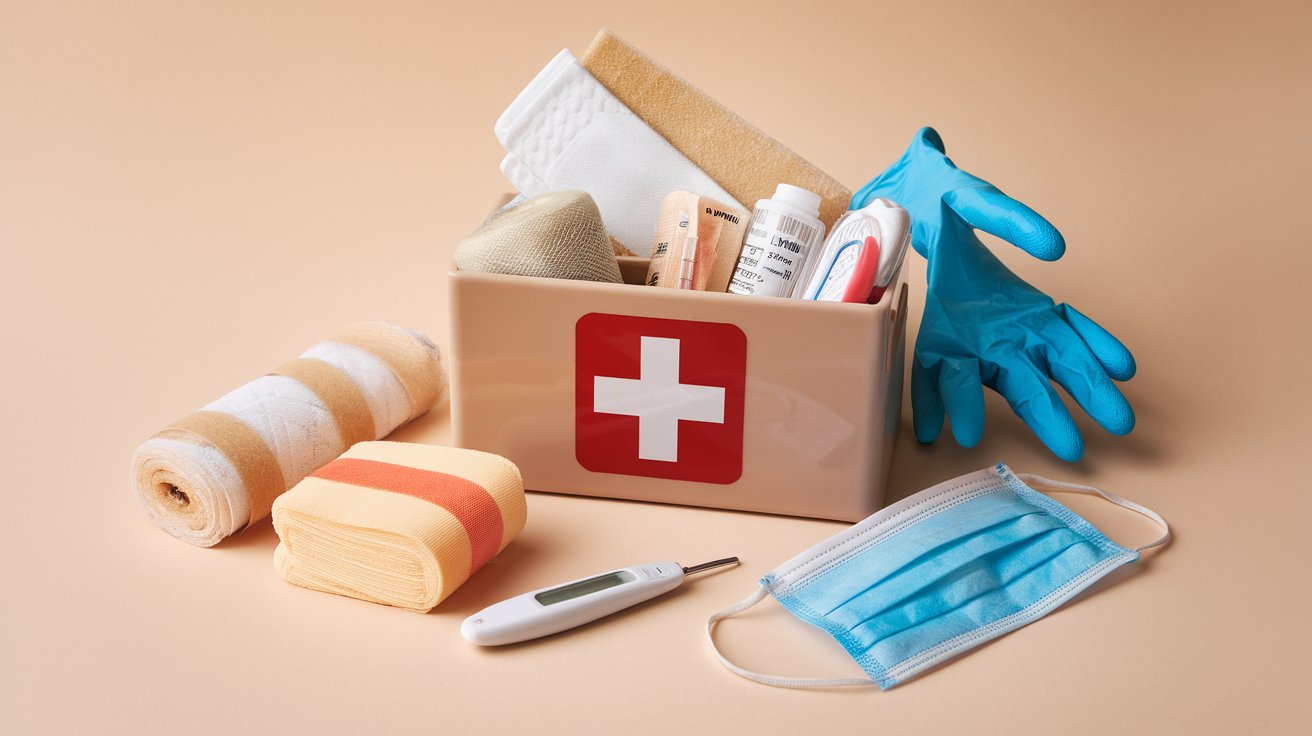
A well-stocked first aid kit contains essential supplies for treating common childhood injuries. The American Academy of Pediatrics recommends including adhesive bandages, antiseptic wipes, gauze pads, medical tape, and instant cold packs. Modern babysitters should also carry disposable gloves, emergency contact cards, and a flashlight for better visibility during emergencies.
Updated 2026 recommendations include including digital thermometers and emergency medical information apps on smartphones. These tools help babysitters provide accurate information to emergency responders and parents. Store your kit in an easily accessible location that children cannot reach, and check expiration dates monthly to ensure supplies remain effective.
Managing Choking Emergencies in Children
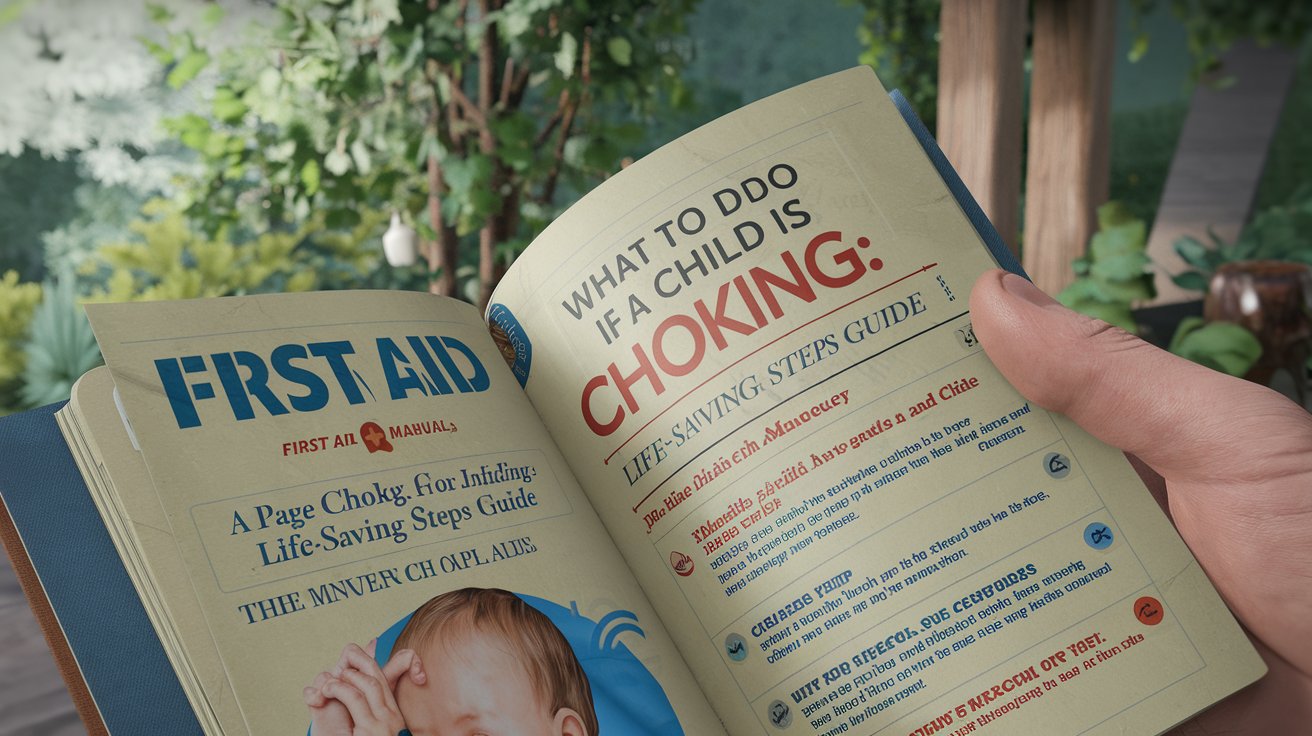
Choking represents the fourth leading cause of accidental death in children under five, making choking response skills absolutely essential for babysitters. Recognition signs include inability to speak, high-pitched sounds when breathing, clutching the throat, and turning blue around the lips or face. The universal choking sign involves hands clutched to the throat, indicating immediate intervention is needed.
Back Blows and Chest Thrusts for Infants
For infants under 12 months, use back blows and chest thrusts rather than abdominal thrusts. Position the baby face-down on your forearm, supporting their head and neck. Deliver five firm back blows between the shoulder blades, then flip the infant and provide five chest thrusts using two fingers. Continue alternating until the object dislodges or emergency help arrives.
Heimlich Maneuver for Children Over One Year
Children over one year require the Heimlich maneuver technique modified for their smaller size. Stand behind the child, place your arms around their waist, and position your fist above the navel. Pull inward and upward with quick thrusts until the obstruction clears. For unconscious choking victims, begin CPR immediately while checking the mouth for visible objects before each rescue breath.
Controlling Heavy Bleeding and Wound Care
Severe bleeding requires immediate pressure and elevation techniques to prevent shock and blood loss. Apply direct pressure using clean cloths or gauze pads directly over the wound. Maintain steady pressure while elevating the injured area above heart level when possible. Never remove blood-soaked bandages; instead, add additional layers on top while continuing pressure.
The bleeding control protocol involves applying pressure for at least 10 minutes before checking if bleeding has stopped. If bleeding continues despite direct pressure, apply pressure to arterial pressure points while maintaining wound pressure. Call 911 for any bleeding that soaks through multiple bandages or shows arterial spurting patterns.
Recognizing and Responding to Unresponsive Children
An unresponsive child requires immediate assessment and intervention to determine the cause and appropriate response. Check for responsiveness by tapping the child’s shoulders and shouting their name. Look for normal breathing patterns for no more than 10 seconds. If the child is breathing normally but unresponsive, place them in the recovery position while monitoring vital signs.
Recovery Position Technique
The recovery position prevents airway obstruction in unconscious but breathing children. Roll the child onto their side, extend the bottom arm, and bend the top arm and leg for stability. Tilt their head back slightly to keep the airway open. This position allows fluids to drain from the mouth and prevents the tongue from blocking breathing passages.
Basic CPR for Children and Infants
CPR becomes necessary when children show no signs of life or abnormal breathing patterns. For children over one year, use chest compressions at least 2 inches deep at a rate of 100-120 per minute. For infants, use two-finger compressions about 1.5 inches deep. The compression-to-breath ratio remains 30:2 for all ages, with each breath lasting one second and producing visible chest rise.
Managing Common Childhood Injuries
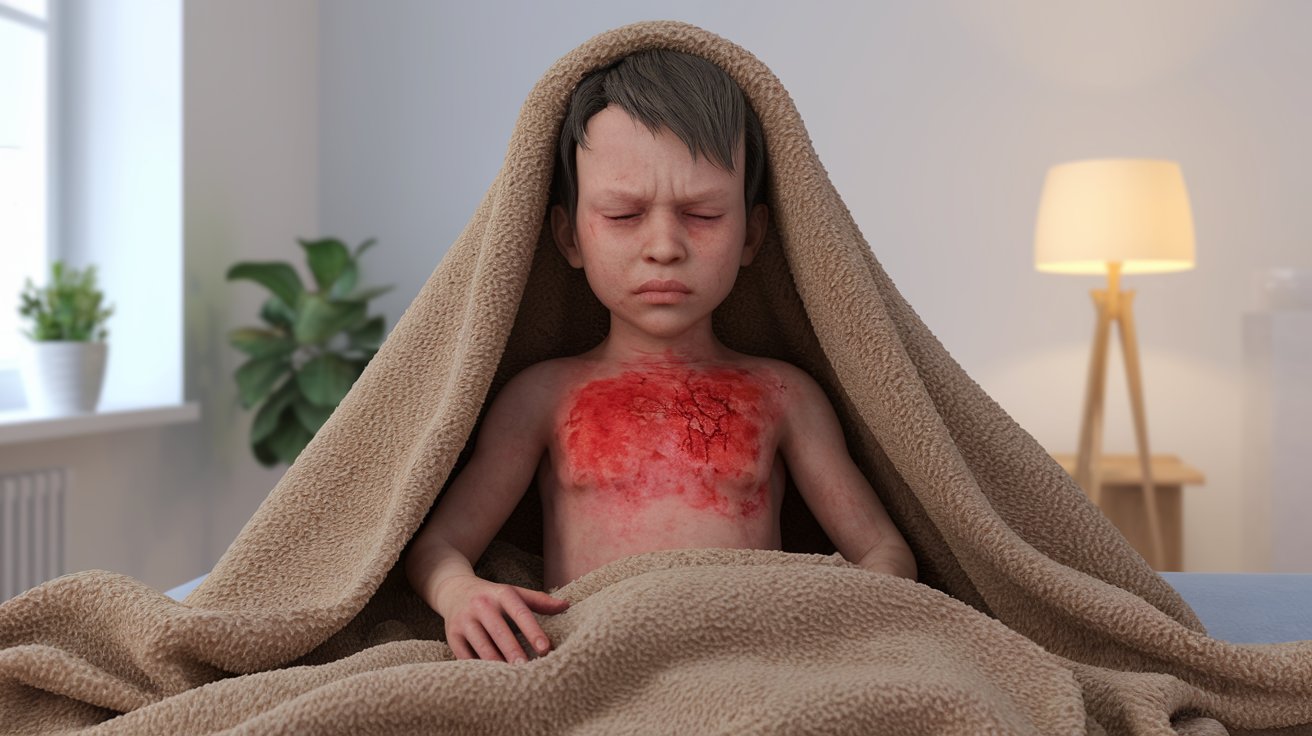
Burns, cuts, and falls represent the most frequent childhood injuries that babysitters encounter. For minor burns, immediately cool the area with running water for at least 20 minutes, then cover with a clean, dry cloth. Never use ice, butter, or other home remedies that can worsen tissue damage. Burn severity assessment helps determine whether emergency care is needed.
For cuts and scrapes, clean your hands first, then gently clean the wound with water. Apply antibiotic ointment if available and cover with an adhesive bandage. Watch for signs of infection including increased redness, warmth, swelling, or pus formation. Deep cuts that gape open or continue bleeding heavily require professional medical attention within two hours.
Handling Allergic Reactions and Breathing Difficulties
Allergic reactions range from mild skin irritation to life-threatening anaphylaxis requiring immediate intervention. Anaphylaxis symptoms include difficulty breathing, swelling of face and throat, rapid pulse, and widespread hives. Children with known allergies should have emergency medications like EpiPens readily available with clear usage instructions from parents.
For severe allergic reactions, administer prescribed epinephrine immediately, then call 911 even if symptoms improve. The epinephrine auto-injector should be used at the first sign of serious allergic reaction, as delayed treatment significantly increases mortality risk. Position the child comfortably and monitor breathing while waiting for emergency responders to arrive.
Professional First Aid Training Options for Babysitters
The Red Cross babysitter certification program provides comprehensive training in first aid, CPR, and emergency response specifically designed for young caregivers. This 7-hour course covers child development, safety protocols, and hands-on practice with emergency scenarios. Many programs now offer online components with in-person skills sessions, making training more accessible for busy teenagers.
Alternative training options include community babysitting courses offered through hospitals, community centers, and youth organizations. The American Heart Association also provides CPR certification specifically for childcare providers. These programs typically cost between $75-150 and require renewal every two years to maintain current certification status in 2026.
Related video about basic first aid every babysitter should know
This video complements the article information with a practical visual demonstration.
Frequently Asked Questions
What are the 7 basic principles of first aid for babysitters?
The seven basic principles include: preserve life, prevent further injury, promote recovery, protect the unconscious, prevent infection, communicate effectively with emergency services, and prioritize safety first. These principles guide all emergency response decisions and help babysitters provide appropriate care while avoiding common mistakes that could worsen injuries.
What are 7 things you should never do while babysitting in emergencies?
Never move a seriously injured child unless in immediate danger, give food or water to unconscious children, leave an injured child alone, panic or lose composure, attempt procedures you’re not trained for, forget to call parents and emergency services, or use home remedies for serious injuries. These mistakes can worsen conditions and delay proper treatment.
Do babysitters legally need first aid certification in 2026?
While most US states don’t legally require first aid certification for casual babysitters, many professional childcare agencies and families now prefer or require certified caregivers. Some states mandate certification for licensed childcare providers or those caring for multiple unrelated children regularly. Certification significantly increases employment opportunities and hourly rates.
What should I know before babysitting for the first time?
Before your first babysitting job, learn basic first aid skills, emergency contact procedures, house rules and routines, children’s allergies and medications, location of safety equipment, and proper child supervision techniques. Take a babysitting course, practice emergency scenarios, and always have a backup plan for various situations that might arise.
How often should babysitters update their first aid training?
First aid and CPR certifications require renewal every two years to maintain current standards. However, babysitters should practice skills regularly and stay updated on new techniques through refresher courses or online modules. The American Red Cross recommends reviewing emergency procedures quarterly and practicing hands-on skills at least twice yearly.
What’s the most important first aid skill for babysitters to master?
Choking response techniques represent the most critical skill, as choking emergencies require immediate intervention and are relatively common in children. Mastering back blows, chest thrusts for infants, and the Heimlich maneuver for older children can literally save lives. These skills must become automatic responses since choking victims lose consciousness within minutes.
| Essential Skill | Key Technique | Why It Matters |
|---|---|---|
| Choking Response | Back blows and chest thrusts for infants, Heimlich for children | Prevents death in 4th leading cause of child accidents |
| Bleeding Control | Direct pressure with elevation above heart level | Prevents shock and excessive blood loss |
| Emergency Assessment | Check responsiveness, breathing, and pulse | Determines appropriate response level needed |
| CPR Knowledge | 30:2 compression ratio, proper hand placement | Maintains circulation until emergency services arrive |
| Burn Treatment | Cool water for 20 minutes, clean dry covering | Prevents further tissue damage and infection |